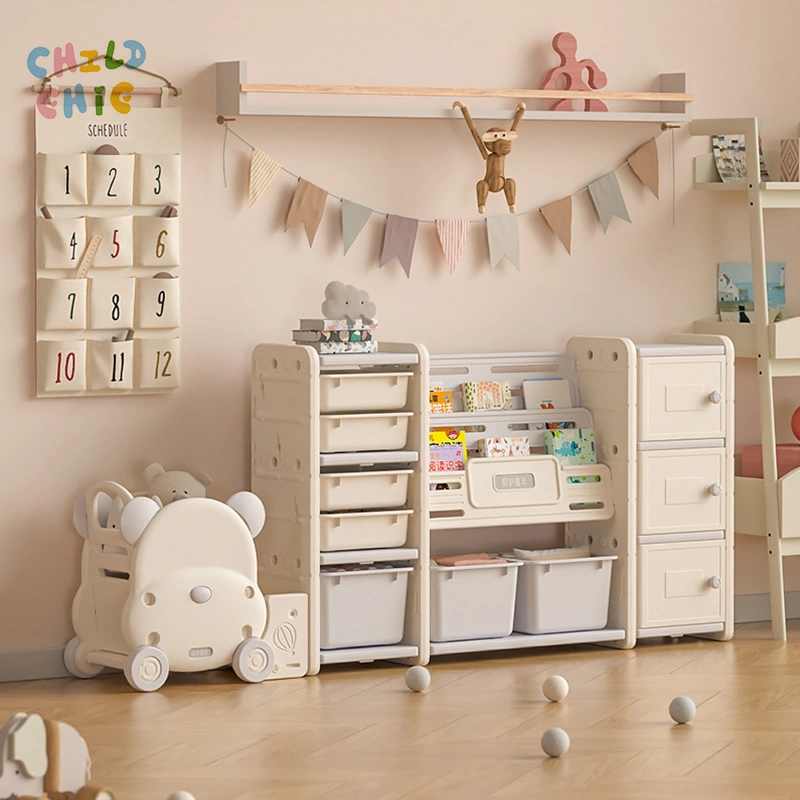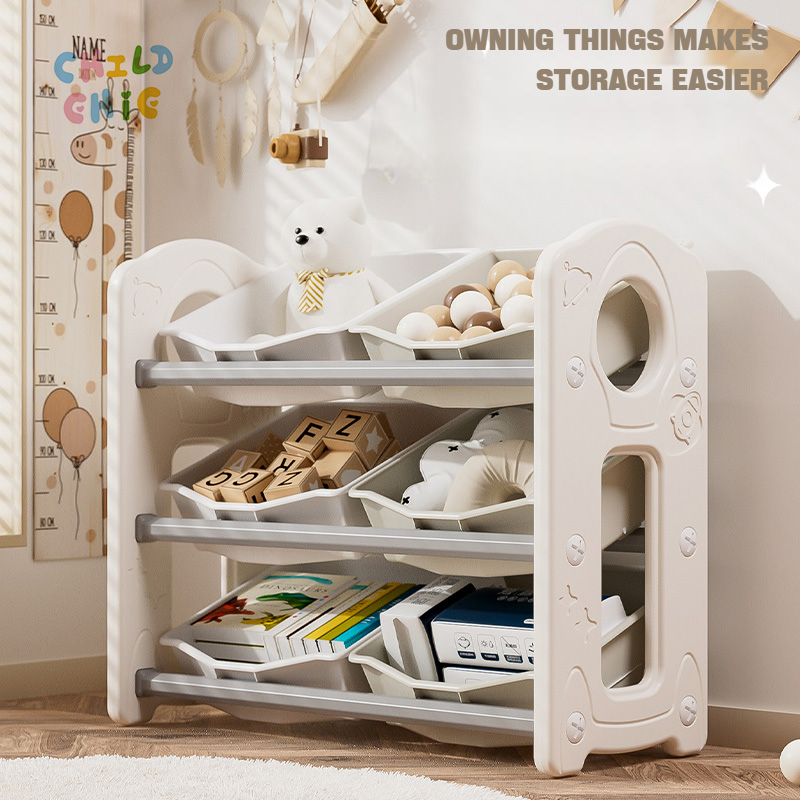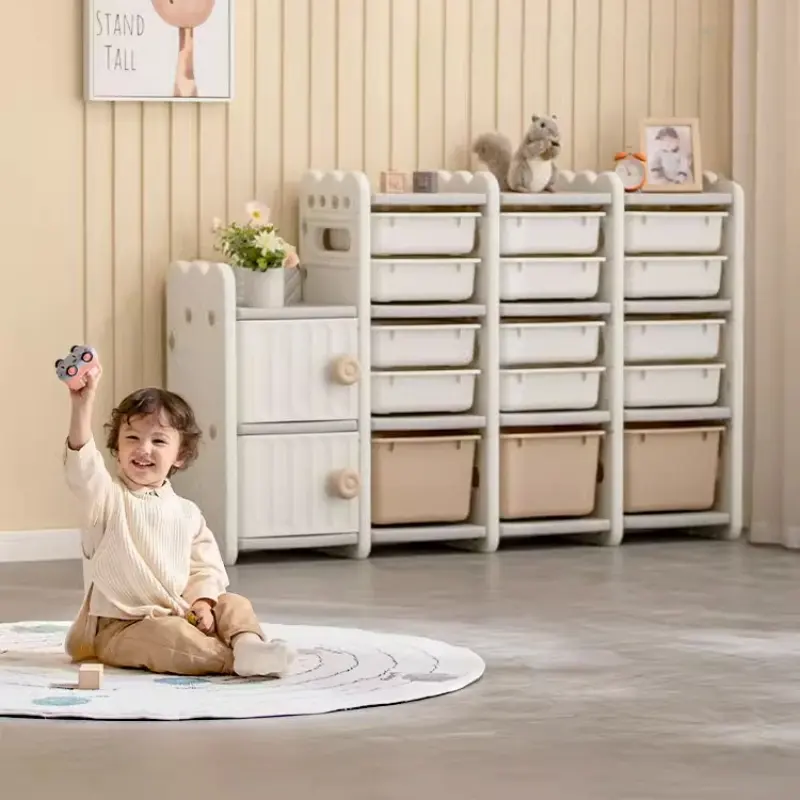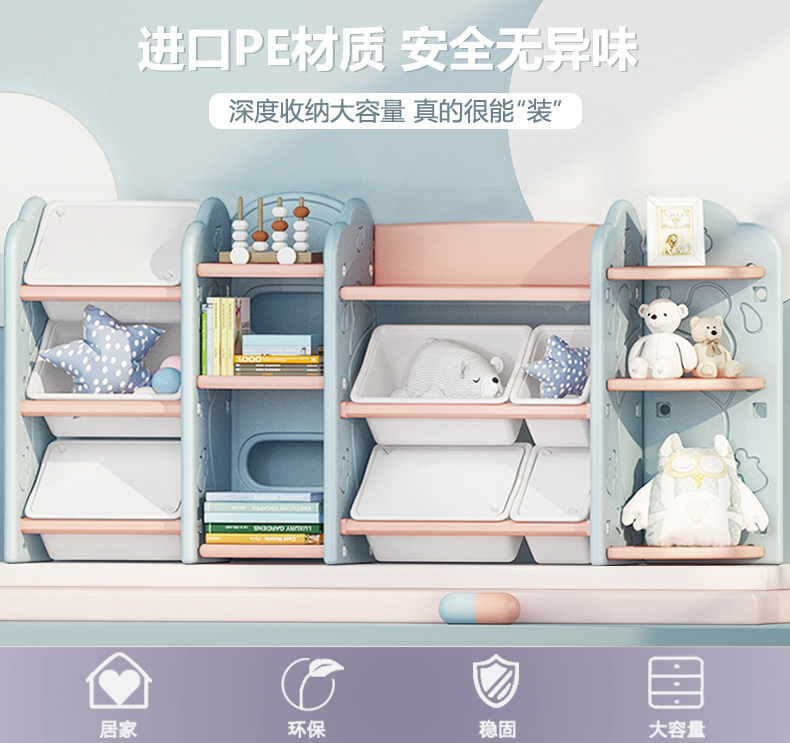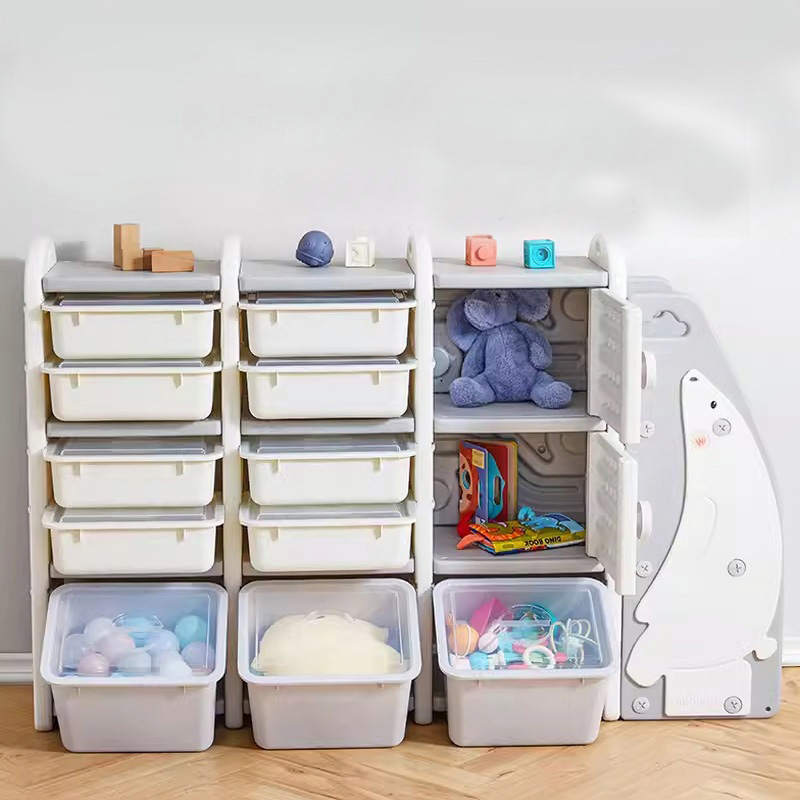
Introduction: Organizing Play Zones with Kids' Storage Cabinets
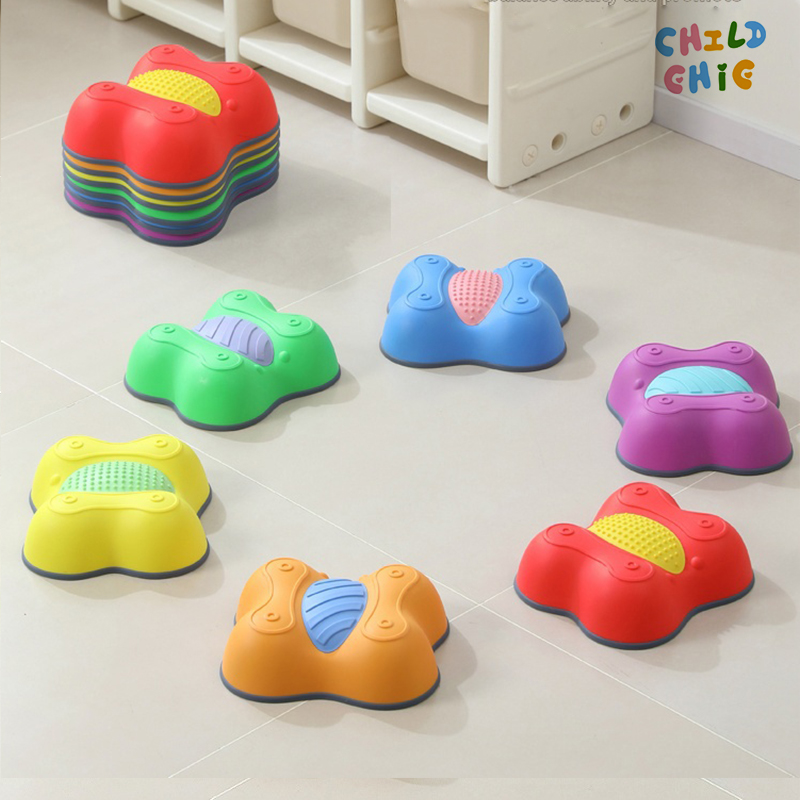
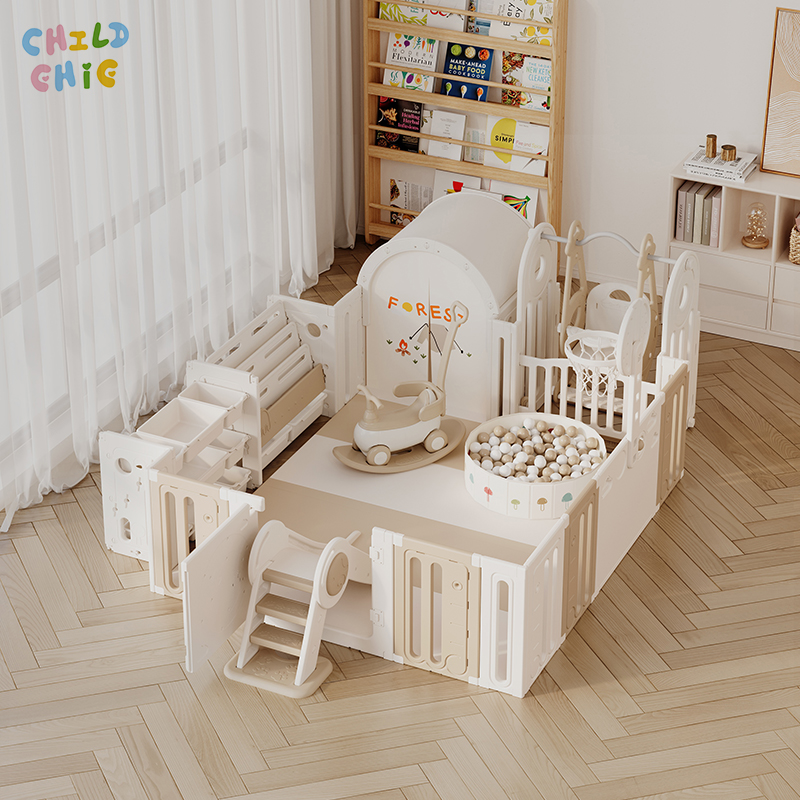
Sensory integration play areas—equipped with indoor slides, swings, balance stones, and tactile toys—are essential for early childhood gross motor and neurological development. However, active sensory play often leaves behind scattered toys, sensory balls, and loose equipment that can turn a safe environment into a hazardous one.
For daycare centers, preschools, and modern nurseries, integrating kids' storage cabinets directly into sensory play spaces is a game-changer. These cabinets do not merely clean up clutter; they actively reinforce the developmental benefits of sensory integration training.
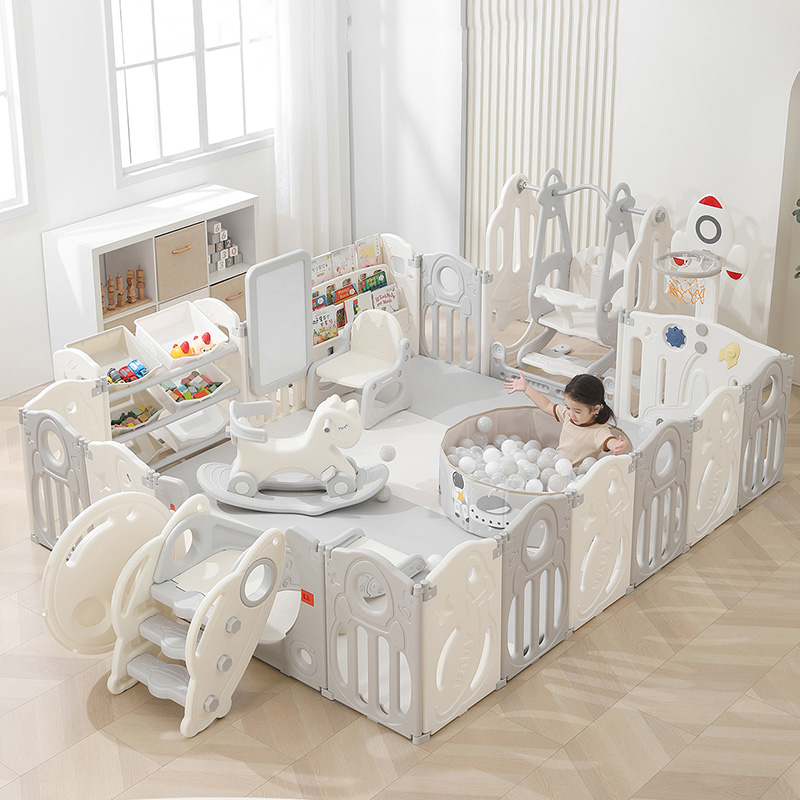
1. Sourcing Matrix: Disorganized Play Areas vs. Play Zones with Kids' Storage Cabinets
To help sourcing teams and retailers understand the commercial value of pairing storage furniture with sensory play equipment, here is a breakdown comparing these two play area setups:
| Key Features & Metrics | Standard Play Areas Without Storage | Sensory Play Zones with Kids' Storage Cabinets |
|
Child Independence & Motor Habit
|
Toddlers rely entirely on adults to retrieve and pack away sensory accessories. | Montessori-aligned height; empowers kids to select and return toys independently. |
|
Safety & Anti-Tripping Profile
|
Scattered tactile balls and equipment create high tripping and fall risks. | Zero-clutter floor plan; keeps walking pathways clear near slides and swings. |
|
Aesthetics & Commercial Appeal
|
Messy, chaotic layout that reduces parent satisfaction in daycares. | Harmonious earth-toned design; raises average order value (AOV) via product bundles. |
|
Logistics & Packaging Efficiency
|
Sourced separately, resulting in higher individual carton shipping costs. | Modular flat-pack shipping; fits tightly alongside playfences and slides in 40HQ containers. |
2. Three Ways Kids' Storage Cabinets Enhance Sensory Integration Training
A. Promoting Independence and Fine Motor Skills via Kids' Storage Cabinets
Sensory integration training focuses on body awareness, rhythm, and self-regulation. Low-profile, kid-sized plastic storage cabinets allow toddlers to access sensory toys, tactile balls, and balance boards on their own. Pulling smooth plastic drawers, sorting items by color, and lifting storage bins exercises fine motor control and hand-eye coordination—turning clean-up time into an extended sensory exercise.
B. Eliminating Tripping Hazards around Sensory Play Sets with Kids' Storage Cabinets
Active play involving indoor slides, swings, and balance steps requires clear landing zones. Loose toys on the floor significantly increase the risk of ankle twists and hard falls. Placing sturdy, rounded-edge kids' storage cabinets nearby gives children a designated space to stow away unused gear, ensuring that acceleration zones near slides and swing pathways remain completely clear.
C. Creating Structured Visual Boundaries using Kids' Storage Cabinets
Children under sensory overload often benefit from structured environments. Kids' storage cabinets can be arranged as physical room dividers, separating high-energy active play zones (slides and swings) from calm, quiet tactile reflection zones. This visual boundary helps kids mentally transition between different stages of sensory integration training.
3. Manufacturing and Safety Standards for Wholesale Kids' Storage Cabinets
To safeguard children and satisfy international compliance regulations, wholesale storage furniture must adhere to stringent manufacturing standards:
- 100% Virgin HDPE Material: Manufactured via advanced CNC automatic blow molding, guaranteeing zero formaldehyde emissions, zero BPA, and completely odorless, food-grade safety.
- Anti-Toppling Low Center of Gravity: Engineered with a wide pyramid-style base architecture that prevents the cabinet from tipping over when children pull or lean on the drawers.
- Global Safety Certifications: Fully certified for ASTM F963 / CPSIA (with native CPC documents for US markets) and EN71 / CE compliance for European distribution, supported by factory BSCI and ISO9001 audits.
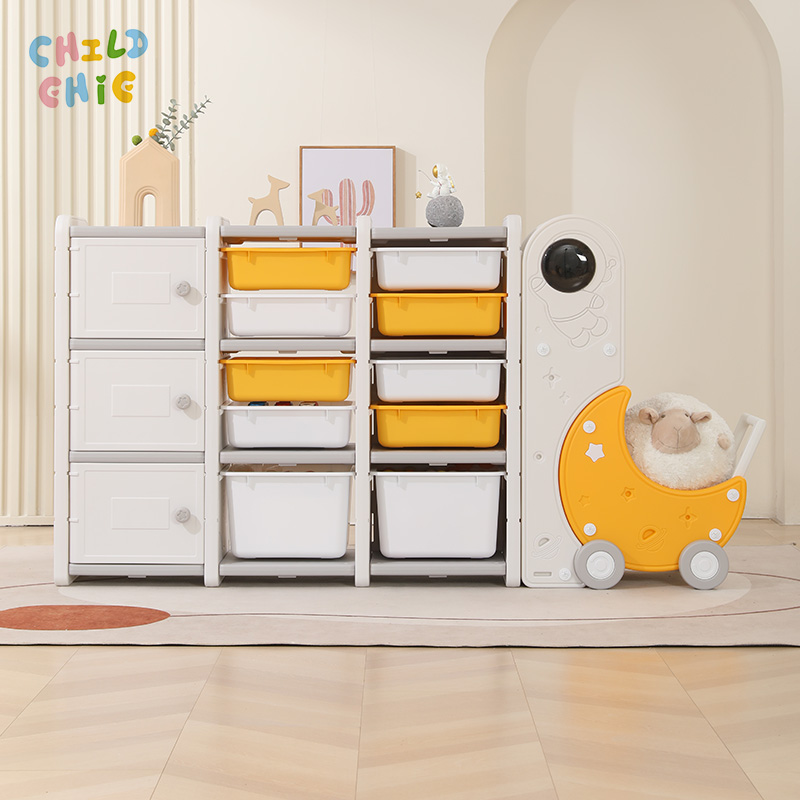
4. FAQ: Sourcing Kids' Storage Cabinets for Nursery and Play Line Bundles
Q1: Why are plastic kids' storage cabinets preferred over wooden ones in daycare sensory play areas?
Plastic kids' storage cabinets made from 100% Virgin HDPE are 100% waterproof, non-splintering, and easily washable with water or sanitizer. Unlike wood, they do not swell, absorb liquids, or develop sharp chipped edges when subjected to heavy daily use by groups of children.
Q2: How do modular kids' storage cabinets reduce international ocean shipping costs?
High-quality manufacturers design kids' storage cabinets with a knock-down (KD) flat-pack structure. Side panels, shelves, and storage drawers slide and nest tightly inside compact shipping cartons, maximizing container load volume in 40HQ shipments and drastically reducing per-unit freight overhead.
Q3: Can kids' storage cabinets be customized to match 3-in-1 slides and swings?
Yes. Direct manufacturers like Wenzhou Bopai offer custom colorway matching. We can formulate masterbatch colors so that your kids' storage cabinets perfectly match the pastel, earth-toned, or minimalist grey palettes of your indoor slides, swings, and playfences for a unified retail product line.
Conclusion: Elevate Your Nursery Product Catalog with Bopai Manufacturing
Integrating kids' storage cabinets into your indoor play catalog is a proven way to increase Average Order Value (AOV) while satisfying parent demand for organized, sensory-rich play spaces. Wenzhou Bopai Baby & Kids Products Co., Ltd. leverages heavy-duty CNC blow molding technology and full global certifications (BSCI, ISO9001, ASTM, EN71, CE, CPC) to deliver durable, certified, and flat-packed nursery furniture worldwide.
Ready to expand your nursery catalog with certified kids' storage cabinets? Contact our international sourcing desk today for direct factory quotes and custom catalogs!