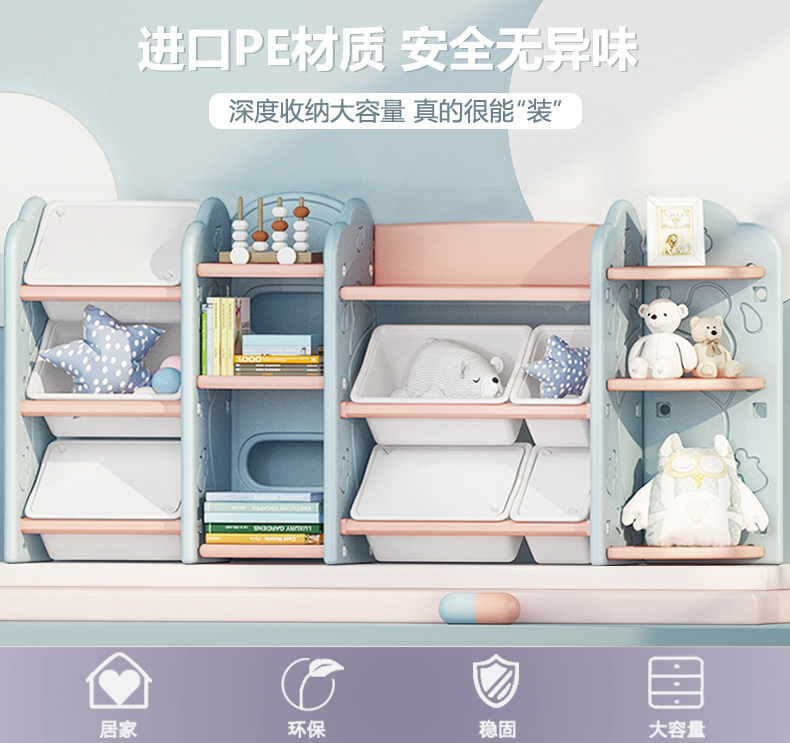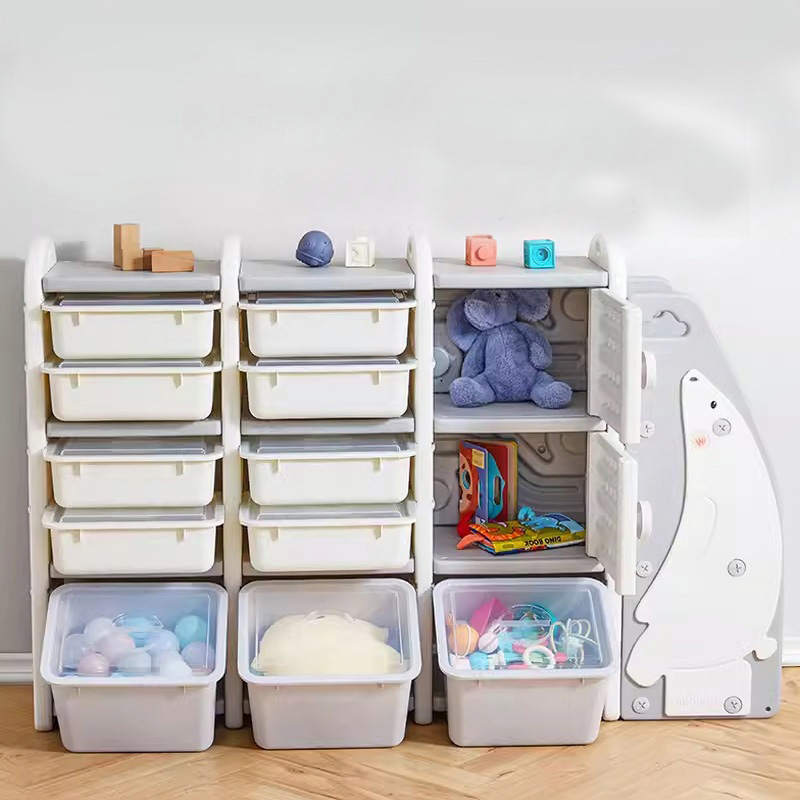
1、The Psychology of Display: Why the Right Kids' Bookcase Matters
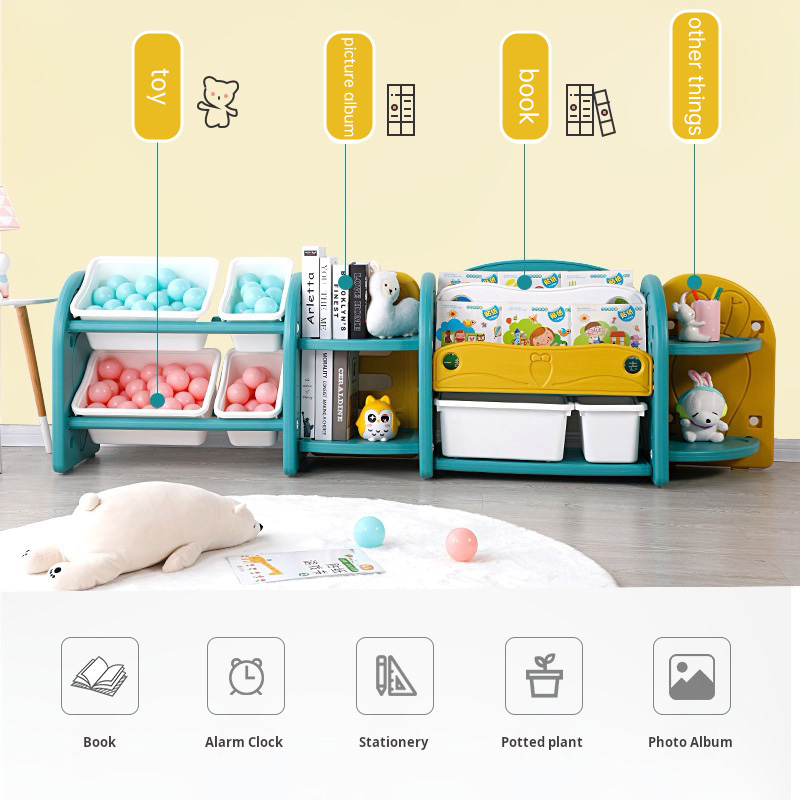
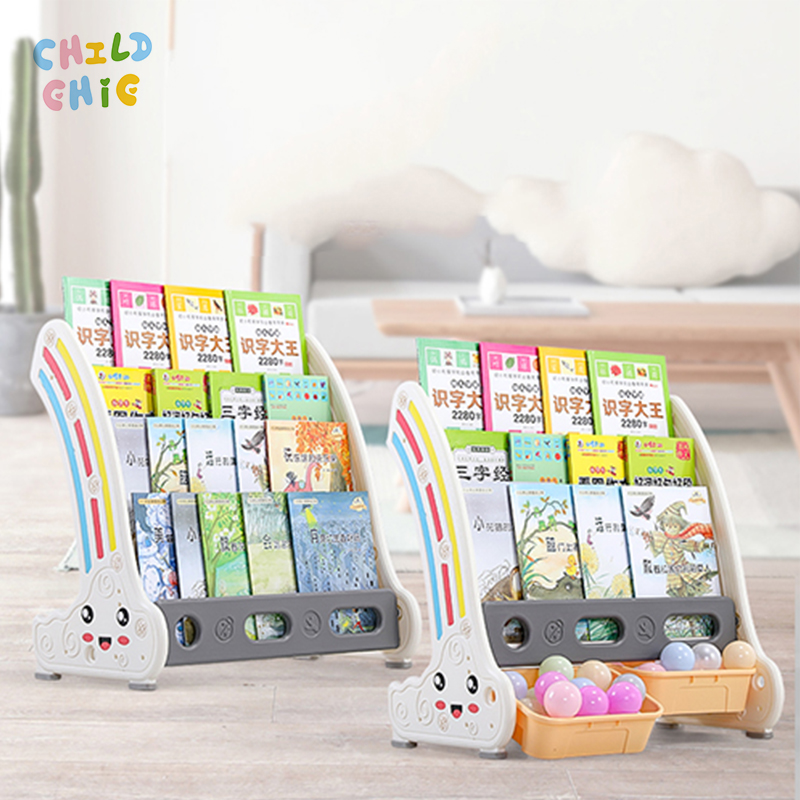
Toddlers and young children are primarily visual learners. Unlike adults who can effortlessly identify a book by reading its spine, little kids recognize stories through vibrant cover illustrations, characters, and bold colors. When books are packed tightly into a tall, standard shelf with only narrow spines visible, the collection becomes invisible and uninviting to a child.
A well-designed kids' bookcase serves as an interactive learning hub rather than just passive furniture. By matching the shelf's height and accessibility to a child’s physical scale, you eliminate frustrating barriers and empower them to pick, explore, and return books independently.
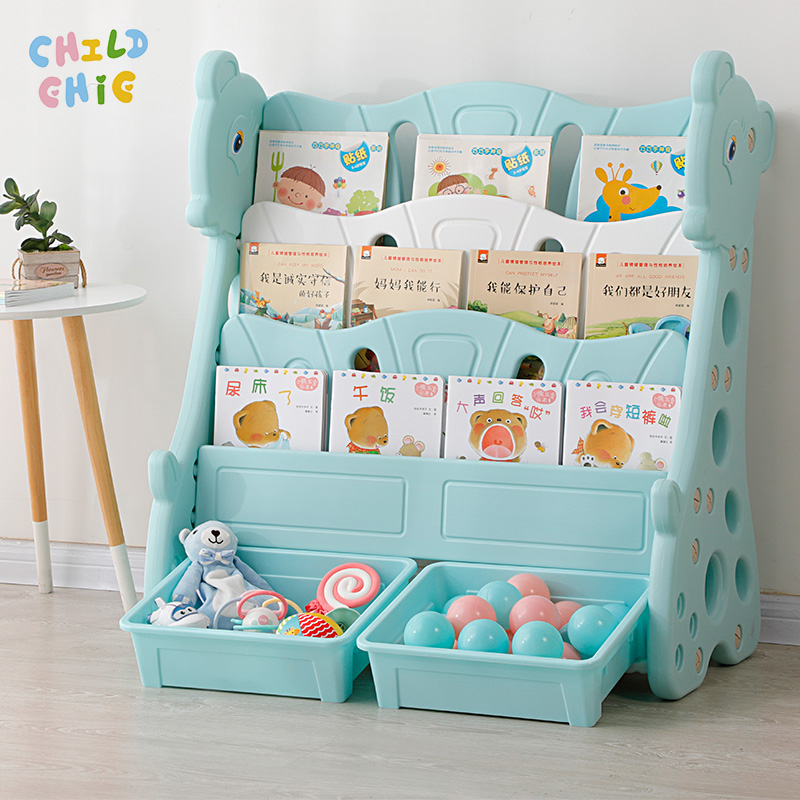
2. Front-Facing Kids' Bookcase vs. Traditional Kids' Bookcase
To help you decide which configuration fits your playroom space and parenting goals, here is a direct comparison between a front-facing kids' bookcase and a traditional vertical kids' bookcase:
| Feature | Front-Facing Kids' Bookcase | Traditional Kids' Bookcase |
| Book Visibility | Full front cover exposed; visually captures toddler attention instantly. | Spine-only display; hard for pre-readers to browse independently. |
| Storage Capacity | Holds fewer titles (best for a curated rotation of 15–30 books). | Higher density storage; holds dozens of books in a compact footprint. |
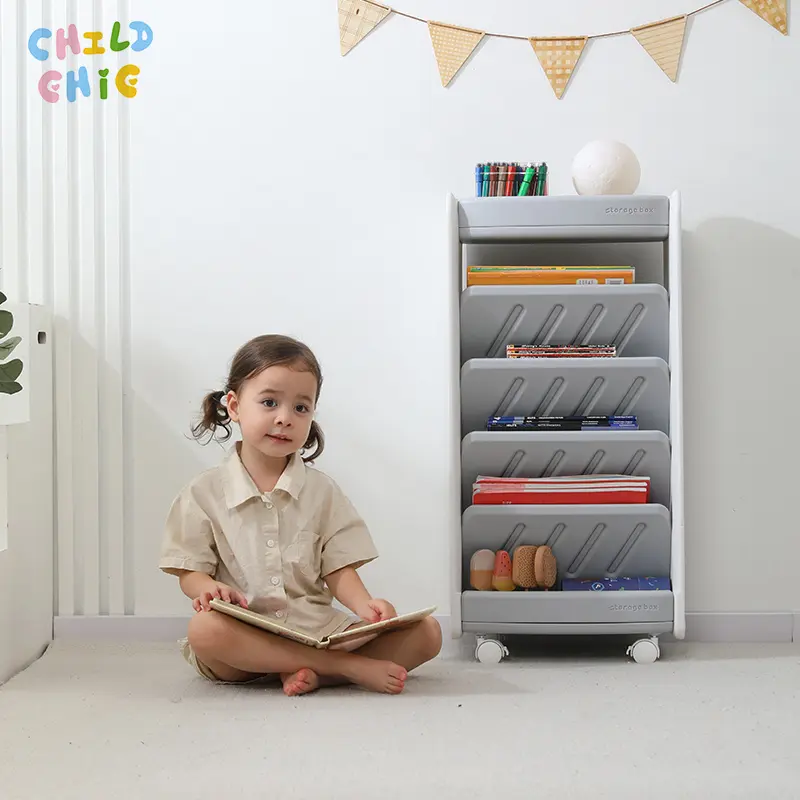
| Independence & Access | Low profile and shallow tier pockets allow tiny hands to grab books safely. | Often taller; lower shelves are accessible, but upper tiers require adult help. |
| Cleanup & Organization | Easy sliding into deep front pockets; intuitive for toddlers to put away. | Requires precise vertical alignment; books easily collapse or slide down. |
| Room Aesthetic | Turns colorful book art into natural wall and playroom decoration. | Classic and utilitarian; can look cluttered if books are uneven sizes. |
3. How a Front-Facing Kids' Bookcase Sparks Lifelong Reading Habits
- Promotes Natural "Toy Rotation" & Book Rotation: Overwhelmed children often walk away from cluttered environments. A front-facing kids' bookcase naturally limits the number of visible titles, creating a calm, curated reading corner. Swapping 5 to 10 books weekly keeps the collection fresh and exciting.
- Encourages Child Autonomy (Montessori Approach): When low-height shelves place books within arm’s reach, children don't need to ask permission or assistance to read. This builds self-confidence, decision-making skills, and motor coordination.
- Reduces Toy Clutter: Treating books with the same display prominence as high-end wooden toys teaches toddlers to view reading as an engaging play activity rather than a chore.
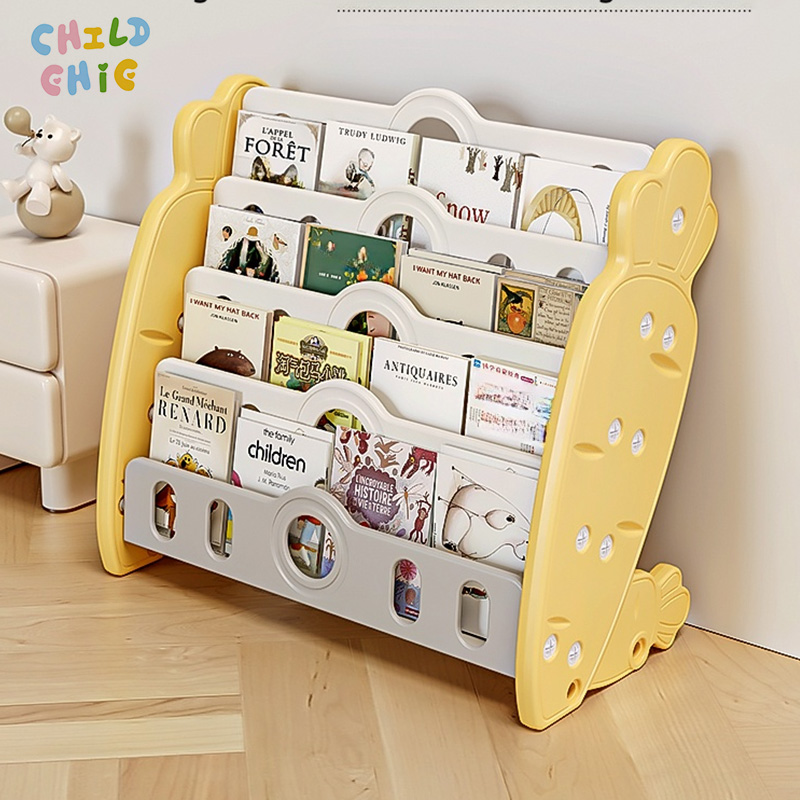
4. Safety and Sourcing Standards for Every Kids' Bookcase
- Anti-Tip Hardware: Active toddlers naturally try to climb furniture. Ensure the unit includes certified heavy-duty wall anchors and tethering straps.
- Child-Safe, Non-Toxic Finishes: Check for zero-VOC, water-based finishes that comply with CPSC (US), ASTM F963, and European CE/EN 71 safety certifications.
- Smooth Rounded Edges: Sharp 90-degree corners should be carefully sanded into rounded chamfers to prevent bumps and head strikes during active play.
- Sturdy, Stable Base: Look for a trapezoidal or low-center-of-gravity design that remains rock-solid on both hardwood and carpeted floors.
5. Frequently Asked Questions: Kids' Bookcase & Nursery Storage Cabinets (FAQ)
Q1: Can a front-facing kids' bookcase be combined with a nursery storage cabinet?
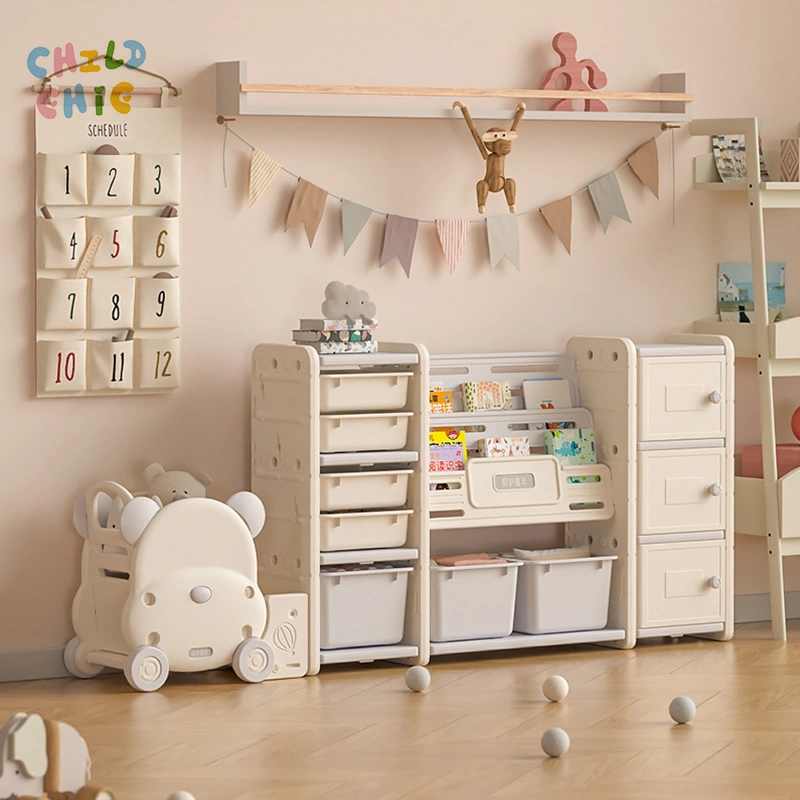
Absolutely. A popular nursery trend is a hybrid unit: the upper section features front-facing book display tiers, while the lower base consists of an enclosed wooden cabinet or open toy bins. This combination gives you the literacy benefits of open book display alongside hidden, dust-free storage for diapers, wooden puzzles, and bulky baby gear.
Q2: What is the ideal height for a toddler-friendly kids' bookcase and cabinet?
For children aged 1 to 4 years old, the top shelf of a kids' bookcase should not exceed 30 to 36 inches (approx. 75–90 cm). This ensures your child can comfortably reach the top row without climbing, tipping the unit, or straining their shoulders.
Q3: How do you anchor a bulky solid wood kids' bookcase or cabinet to the wall safely?
Always locate the drywall studs using a stud finder and secure the anti-tip bracket directly into the wooden framework behind the wall. Avoid relying solely on plastic drywall anchors for heavy solid wood furniture. Make sure the tethering strap is pulled taut with zero slack to prevent forward tipping.
Q4: How do I clean and maintain a solid wood kids' bookcase and playroom cabinet?
Wipe gently with a soft, slightly damp cotton cloth, avoiding harsh chemical disinfectants that can strip natural non-toxic wood waxes or clear coats. Keep the furniture away from direct heating vents and excessive moisture to prevent warping, cracking, or surface moisture damage.
6、Elevate Your Nursery Product kids' bookcase with Bopai Manufacturing
Integrating kids' bookcase into your indoor play catalog is a proven way to increase Average Order Value (AOV) while satisfying parent demand for organized, sensory-rich play spaces. Wenzhou Bopai Baby & Kids Products Co., Ltd. leverages heavy-duty CNC blow molding technology and full global certifications (BSCI, ISO9001, ASTM, EN71, CE, CPC) to deliver durable, certified, and flat-packed nursery furniture worldwide.
Ready to expand your nursery catalog with certified kids' storage cabinets? Contact our international sourcing desk today for direct factory quotes and custom catalogs!