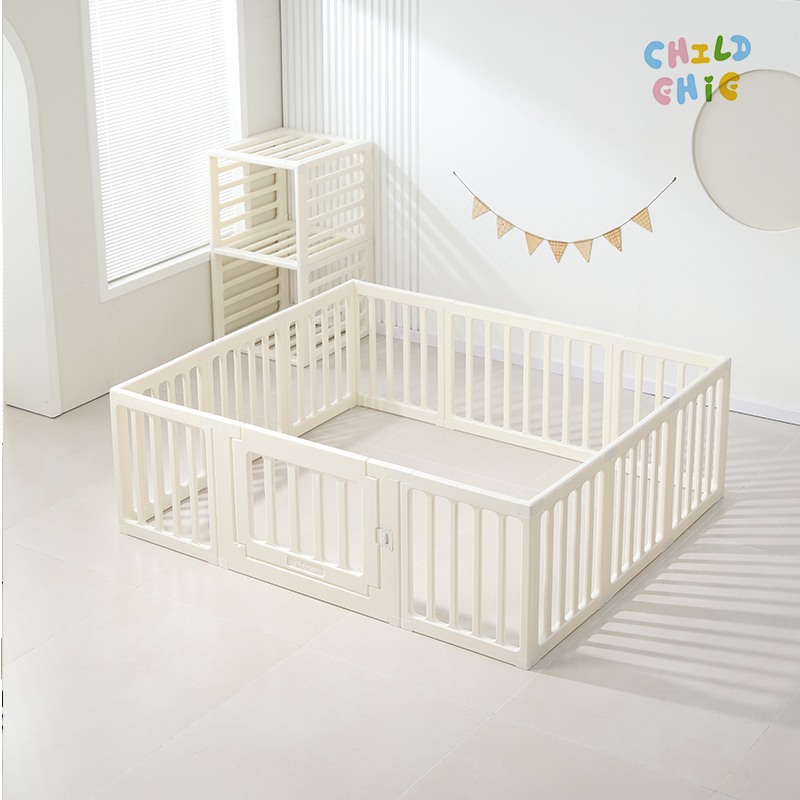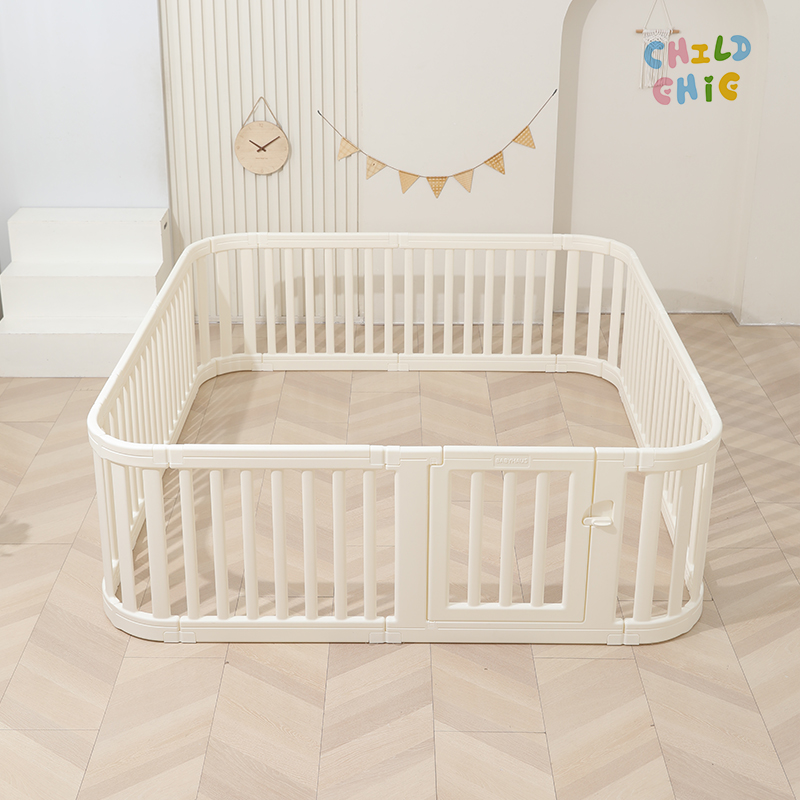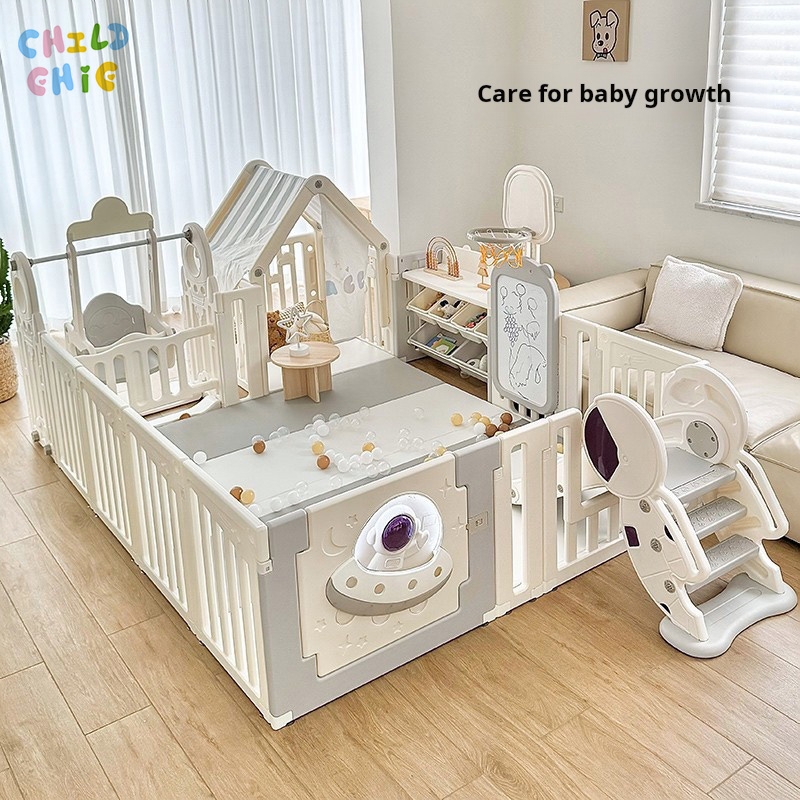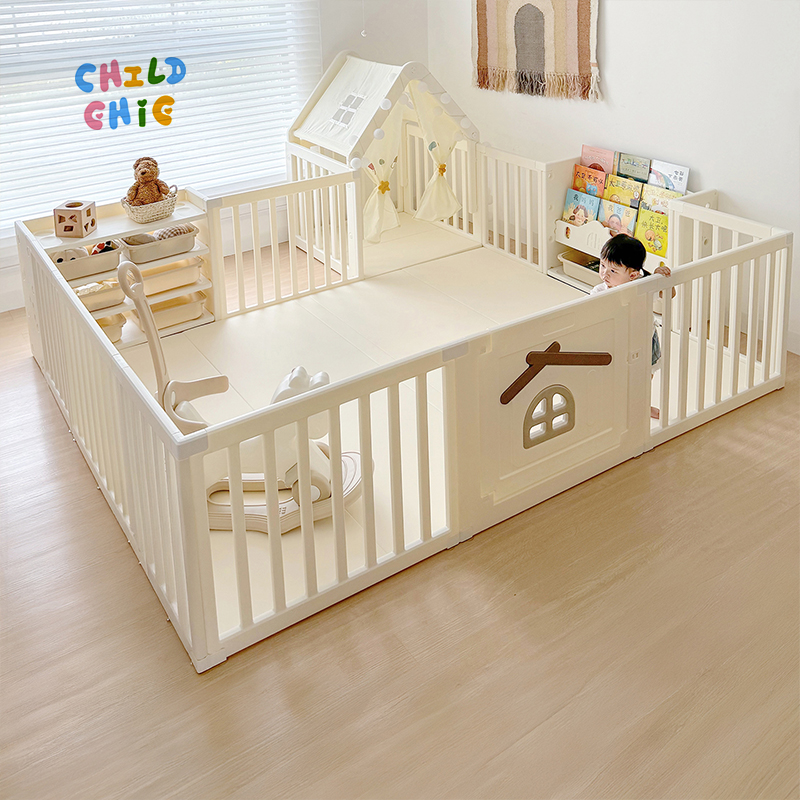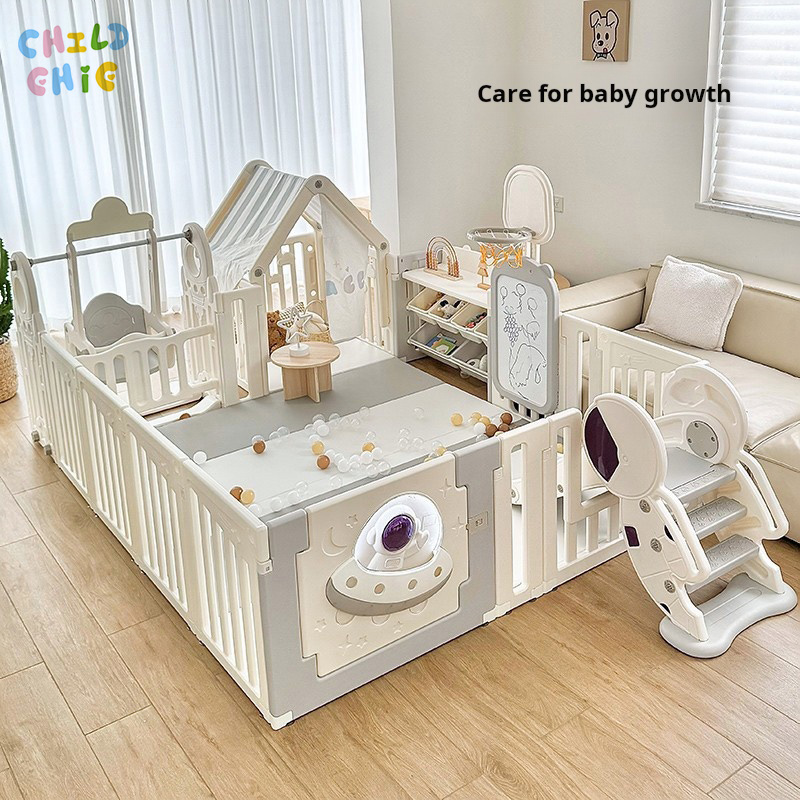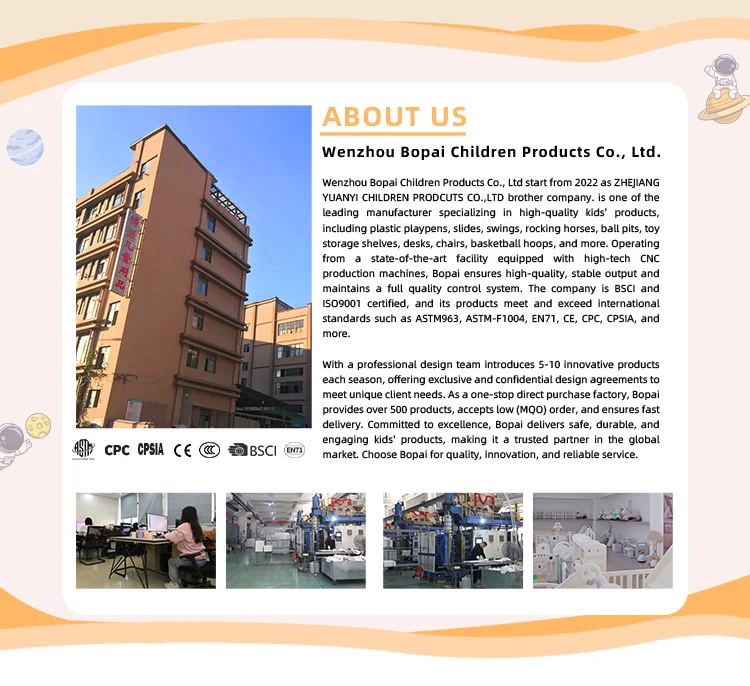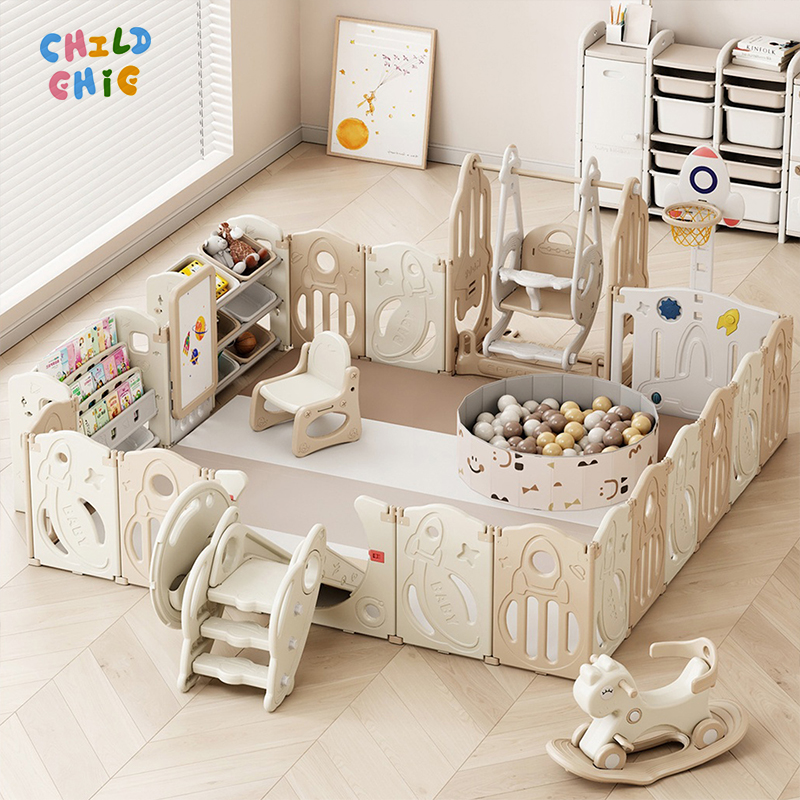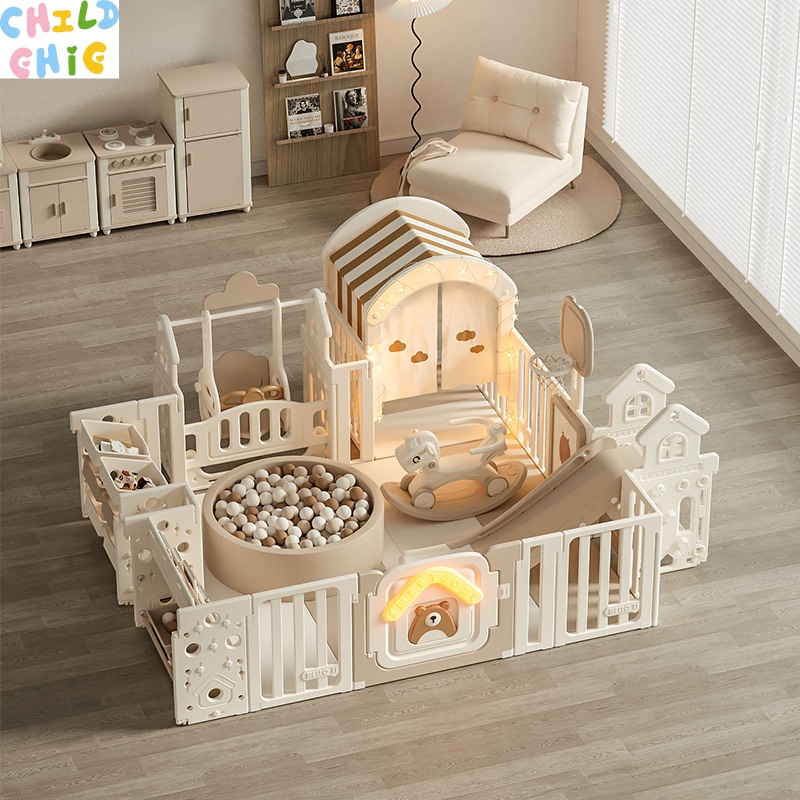
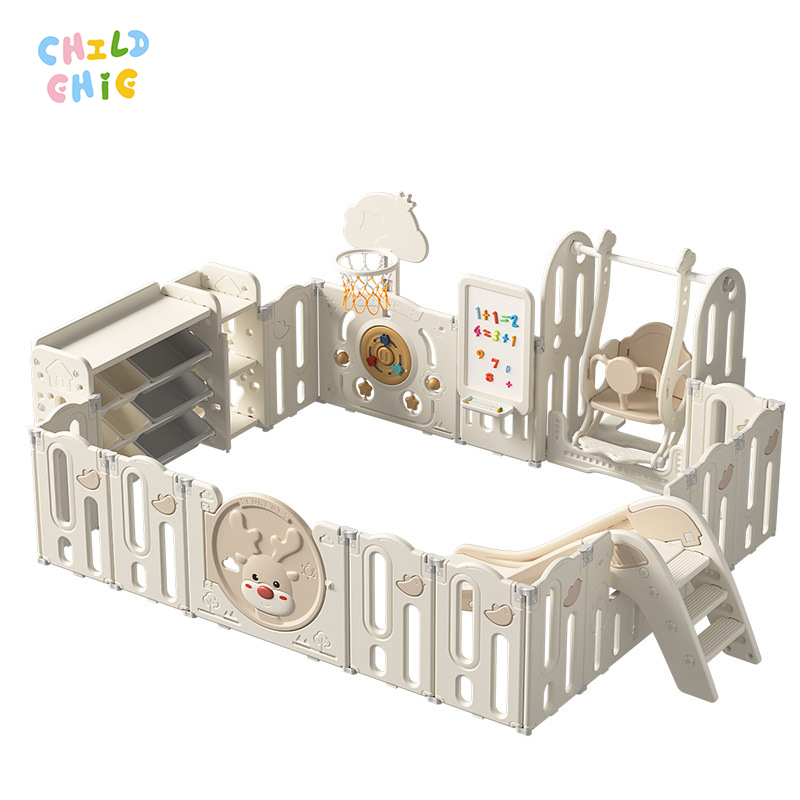
Selecting the right manufacturing partner for children’s playpens is a critical decision that impacts your brand's reputation, safety compliance, and bottom line. Whether you are looking to build a unique product from scratch (OEM) or customize existing designs (ODM), here is a guide to choosing the right partner.
1. Understand the Difference: OEM vs. ODM
• OEM (Original Equipment Manufacturer): You provide the complete design, blueprints, and specifications. The manufacturer acts as your factory, giving you total control over materials and unique features. This is best for brands wanting 100% exclusivity.
• ODM (Original Design Manufacturer): The manufacturer has pre-existing designs that you can customize with your logo, colors, or minor tweaks. This is faster and more cost-effective for quick market entry.
2. Prioritize Safety and Compliance
Baby products are subject to strict regulations. Your partner must prove they can meet global standards such as:
• ASTM F406 (USA) or EN 12227 (Europe): Specific safety requirements for playpens.
• Material Safety: Ensure they use non-toxic, BPA-free, and phthalate-free materials.
• Mechanical Safety: Look for designs with secure locking latches, strong sides (at least 50cm high), and safe gap widths (5cm to 9.5cm) to prevent head entrapment.
3. Evaluate Material Quality and Durability
High-quality materials ensure the product lasts and remains safe:
• Frames: HDPE offers High toughness, shatter-resistant and durable for daily use.
• Fabric & Mesh: Choose high-tensile strength mesh that resists tearing and is easy to clean.
• Padding: Look for high-density, non-toxic foam mats that provide good insulation and joint protection.
4. Assess Manufacturing Capabilities
A reliable partner should offer:
• Innovative Design: Look for manufacturers like River Baby that invest in R&D for ergonomic and functional designs.
• Customization Flexibility: If you choose ODM, ensure they can handle your specific branding needs.
• Quality Control: Ask about their internal testing processes and if they have certifications like EN 71 for mechanical and physical properties.
5. Consider Logistics and Support
• Portability & Assembly: Partner with manufacturers that design for easy setup and teardown.
• Warranty: A reputable partner should stand by their work with a solid warranty.
• Scalability: Ensure they can handle your growth, from low MOQs (Minimum Order Quantities) to large-scale production.