Introduction: The Growing Demand for Sensory Integration Training Equipment
In the modern nursery and toy market, parents and educators are increasingly looking for active play solutions that support neurological and physical development. Sensory integration training—the process by which the brain organizes information from bodily senses—has become a top priority for early childhood growth.
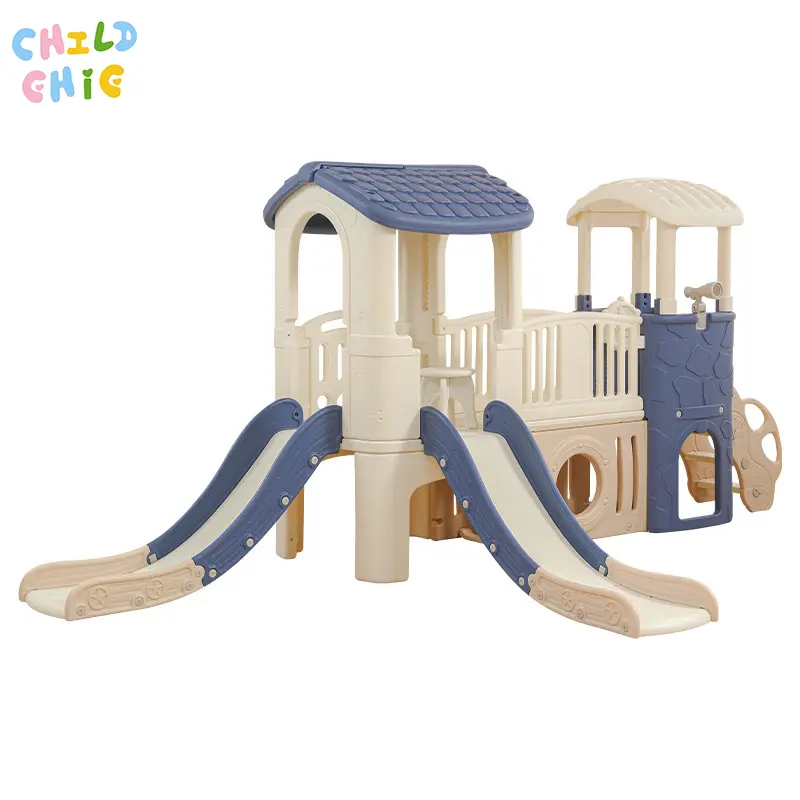
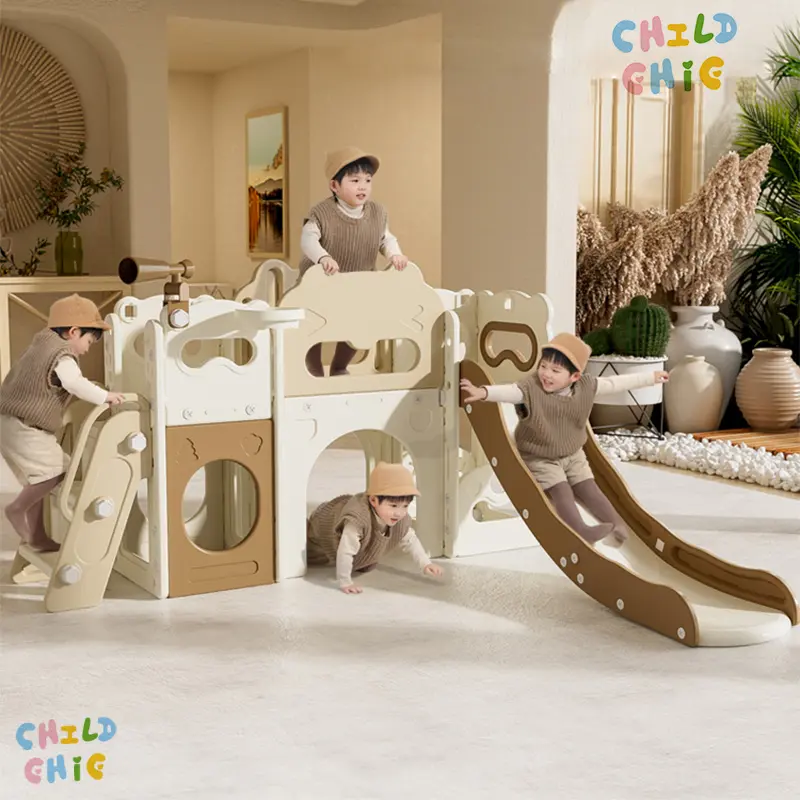
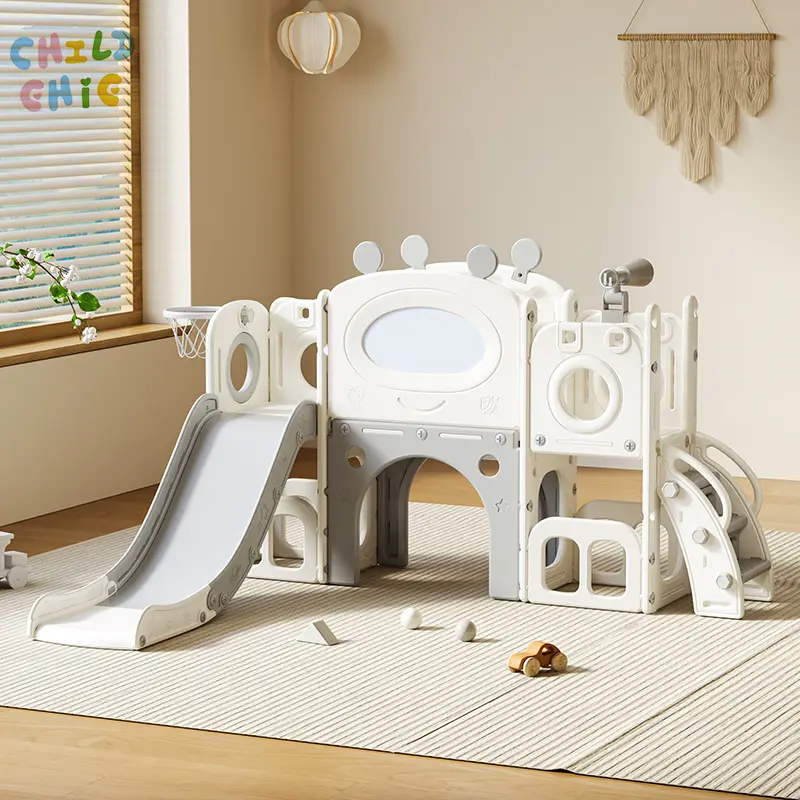
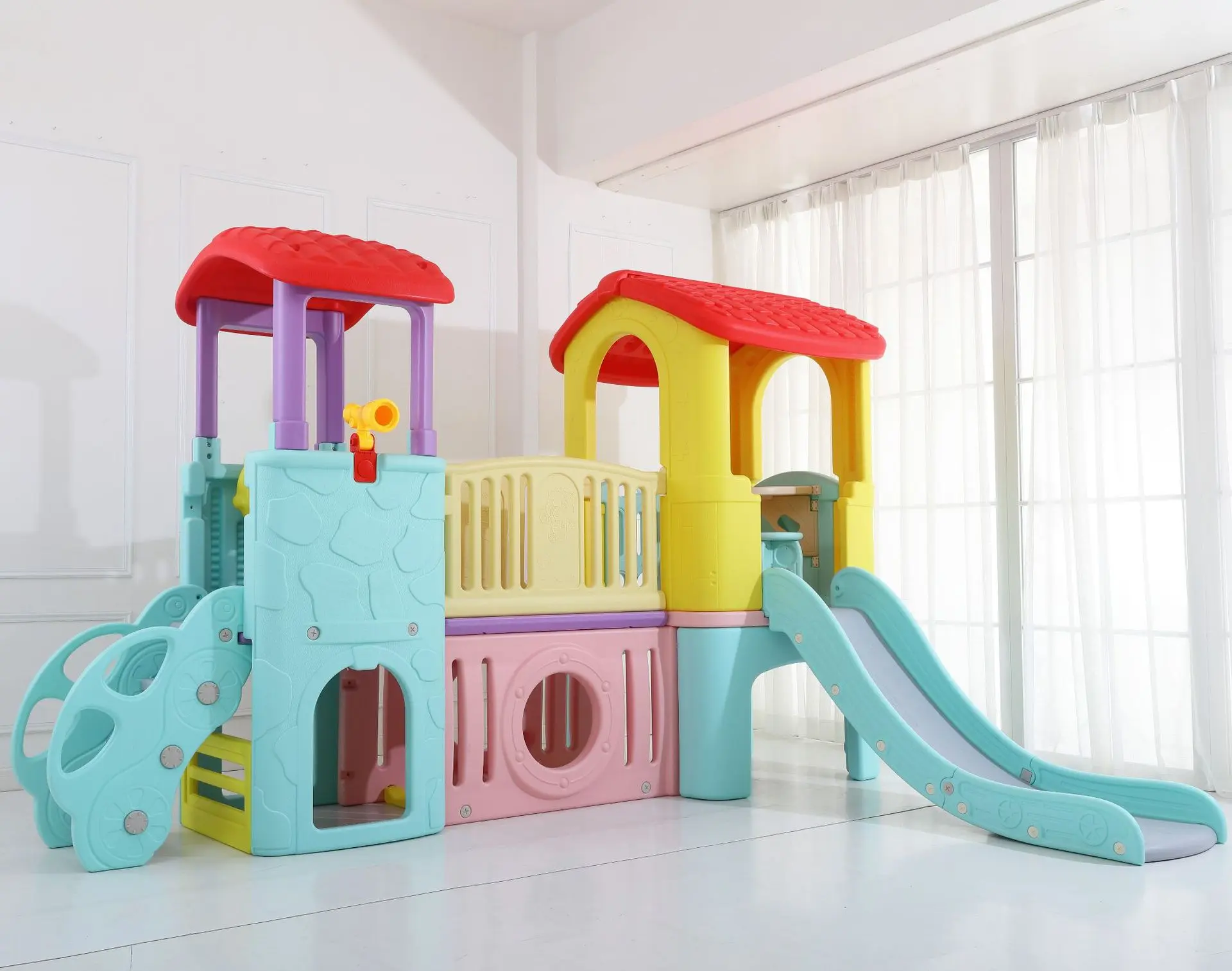
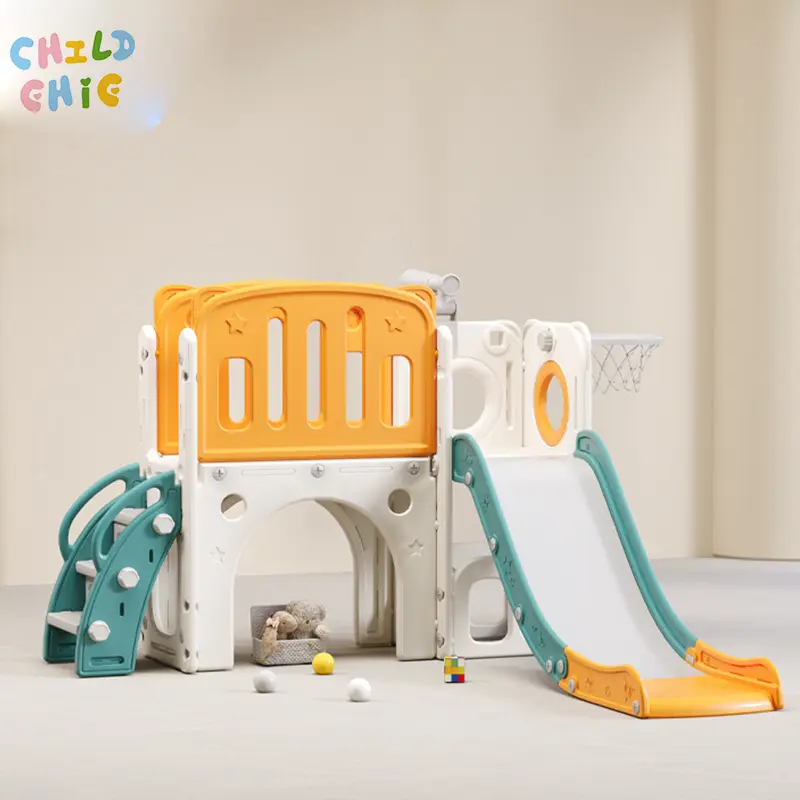
For international B2B buyers, Amazon FBA merchants, and daycare equipment providers, single-function toys are rapidly being replaced by multi-functional play structures. Combining a slide, swing, and climber into a single 3-in-1 unit provides the ultimate all-in-one platform for indoor sensory integration training.
1. Sourcing Matrix: Single-Function Toys vs. 3-in-1 Sensory Integration Training Sets
To help sourcing teams evaluate the market value of multi-functional indoor play sets, here is a detailed breakdown comparing single-item play equipment with integrated 3-in-1 play structures:
| Key Features & Metrics | Single-Function Toys | 3-in-1 Sensory Integration Training Sets |
|
Sensory System Stimulation
|
Limited to one sensory path (e.g., only vestibular motion via a basic swing). | Multi-sensory engagement: activates vestibular, proprioceptive, and tactile systems simultaneously. |
|
Retail Average Order Value (AOV)
|
Lower price ceiling; requires selling multiple standalone products. | High AOV & premium margin potential; marketed as a complete nursery play solution. |
|
Space Utilization & Footprint
|
Disorganized floor footprint when purchasing separate units. | Compact modular footprint; easily integrated into modern living rooms or daycares. |
|
Logistics & Freight Efficiency
|
High shipping costs per unit due to separate packaging cartons. | Flat-pack modular design; nested components maximize 40HQ container load capacity. |
2. How 3-in-1 Play Sets Power Effective Sensory Integration Training
A. The Swing: Stimulating the Vestibular System during Sensory Integration Training
Swinging movement provides smooth, linear acceleration that directly stimulates the vestibular apparatus in the inner ear. This motion helps toddlers master spatial orientation, balance, and rhythm. High-quality 3-in-1 sets feature adjustable safety harnesses, wide T-bar supports, and smooth-gliding ropes to ensure consistent, secure vestibular stimulation during sensory integration training.
B. The Climber: Building Proprioception in Sensory Integration Training
Climbing steps or molded side ladders requires active muscle contraction, limb coordination, and weight-shifting. This exercises the body's proprioceptive system—the sense that tells the brain where limbs are in space. Engineered with anti-slip textures, closed-rise steps, and ergonomically sized handrails, 3-in-1 climbers allow kids to safely test their limits during daily sensory integration training sessions.
C. The Slide: Combining Tactile and Speed Input during Sensory Integration Training
Sliding down provides a combination of sudden velocity and tactile feedback as the child moves across the smooth HDPE surface. To maximize child safety during rapid play, premium slides incorporate a three-stage layout: an acceleration zone, a deceleration zone, and an extended bottom buffer zone to ensure soft, painless landings.
3. Essential Safety and Manufacturing Standards for Sensory Integration Training Equipment
Commercial buyers must ensure their inventory meets international toy safety laws:
- Material Purity: Manufactured from 100% Virgin HDPE (High-Density Polyethylene) using advanced CNC blow molding. This guarantees a non-toxic, food-grade, phthalate-free, and odorless product.
- Structural Stability: A widened, pyramid-style base architecture that can be weighted down with water or sand, keeping the center of gravity low and preventing tipping during energetic play.
- Global Certifications: Full compliance with ASTM F963-17 & CPSIA (for US markets with native CPC certificates) and EN71 / CE standards (for Europe), supported by factory BSCI and ISO9001 audits.
4. FAQ: Nursery Storage Cabinets and Sensory Integration Training Equipment Sourcing
Q1: How do kids' storage cabinets complement sensory integration training play areas?
Low-profile, kid-sized plastic storage cabinets allow toddlers to store small sensory toys, tactile balls, and play accessories independently. Adding storage cabinets alongside 3-in-1 play sets creates an organized, Montessori-aligned sensory integration training zone that encourages self-directed cleanup habits.
Q2: What safety standards should plastic kids' storage cabinets meet for daycare centers?
Storage cabinets used in nursery or sensory integration training settings should feature rounded molded corners, 100% formaldehyde-free HDPE construction, and a low center of gravity to prevent anti-tipping accidents. They must pass ASTM F963 / CPC or EN71 testing.
Q3: Are multi-functional play sets and kids' storage cabinets suitable for container sharing?
Yes. High-grade manufacturers like Wenzhou Bopai utilize modular flat-pack packaging for both play sets and storage cabinets. Both product lines nest closely inside flat shipping cartons, making them ideal for container sharing (FCL) to maximize 40HQ volume utilization and lower total shipping costs per unit.
Conclusion: Join hands with the original and powerful factory of Bopai to seize the blue ocean of the Sensory Integration Training market
Investing in 3-in-1 indoor play sets allows nursery brands and importers to capture the growing global demand for sensory integration training products. Wenzhou Bopai Baby & Kids Products Co., Ltd. combines heavy-duty CNC automatic blow molding technology with complete global compliance portfolios (BSCI, ISO9001, ASTM, EN71, CE, CPC) to deliver certified, high-margin, and flat-packed play equipment.
Ready to expand your nursery catalog with certified 3-in-1 sensory play structures? Contact our international export team today for direct factory quotes and custom catalogs!