Introduction: Why Stepping Stones Matter
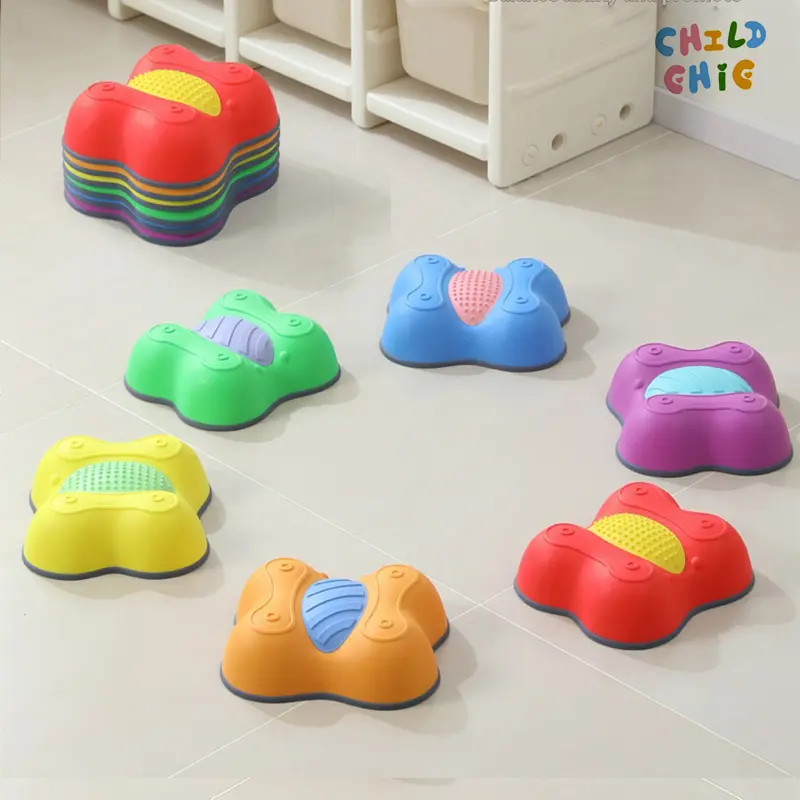
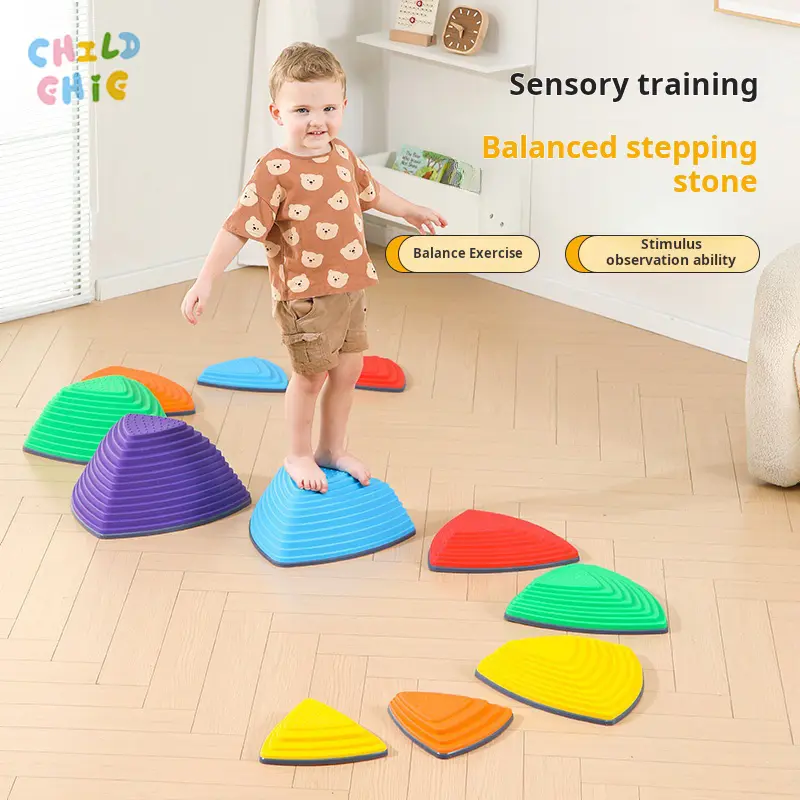
In pediatric sensory integration training, Stepping Stones have become a star tool both at home and in specialized centers thanks to their vibrant colors, versatile setups, and high interactivity. What looks like a simple "stepping game" actually incorporates vestibular stimulation, proprioceptive control, and spatial awareness development.
1. Core Benefits of Stepping Stones Training
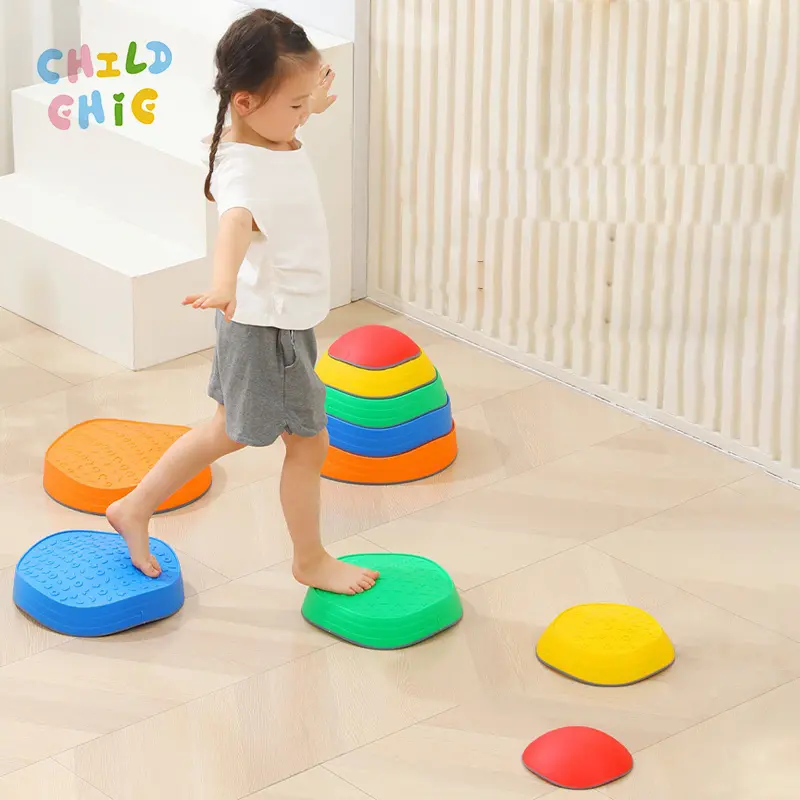
A: Stepping Stones Can Enhance Vestibular System & Balance
Stepping stones of varying heights and angles continuously challenge a child's vestibular system, helping them build a strong sense of balance.
B: Stepping Stones Can Strengthen Proprioception & Muscle Power
As children adjust their stride length and control the impact of their feet, they gain precise awareness of their muscle and joint positions while building lower-body strength.
C: Stepping Stones Can Develop Visual Spatial Perception & Judgment
Children learn to calculate distances, heights, and directions, sharpening their depth perception and spatial planning abilities.
D: Stepping Stones Can Improve Focus & Emotional Regulation
Concentrating on where to place each step requires sustained attention, helping easily impulsive children learn to slow down, stay calm, and focus.
2. Age-Appropriate Stepping Stones Training Plans
Training priorities shift as children develop physically and cognitively:
| Age Group | Training Goal | Recommended Activity Design | Suggested Frequency |
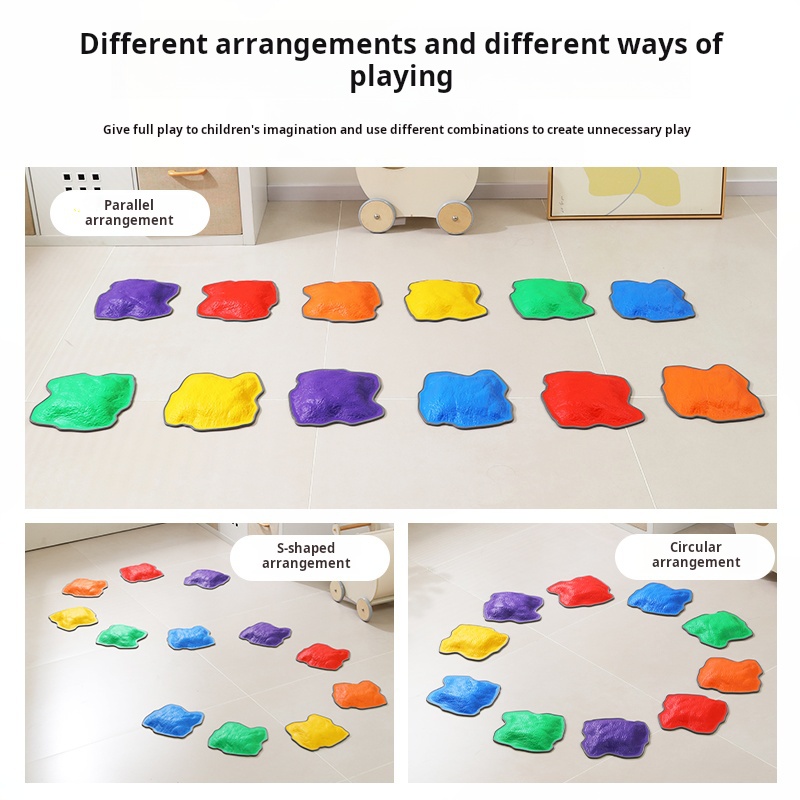
| Ages 2–3 (Beginner) | Basic balance and continuous steps | Flat Straight Walk: Arrange low stones close together in a straight or gently curved line. Hold the child's hand as they step across. | 5–10 mins daily, focusing on building confidence |
| Ages 3–5 (Developmental) | Stride control, single-leg stance, and jumping | Obstacle Crossing: Increase the distance between stones and alternate heights. Use storytelling ("Don't fall in the water!") and try holding a single-leg pose for 3 seconds. | 15 mins daily with story-based challenges |
| Ages 5+ (Advanced) | Spatial planning, reaction speed, and bilateral coordination | Dynamic Course: Stagger the stones randomly. Add dual-task challenges, such as throwing a ball into a bucket or counting backward while stepping. | 3–4 times per week, 20 mins per session |
3. Stepping Stones Training Frequently Asked Questions (FAQ)
Q1: What safety precautions should I take when practicing at home?
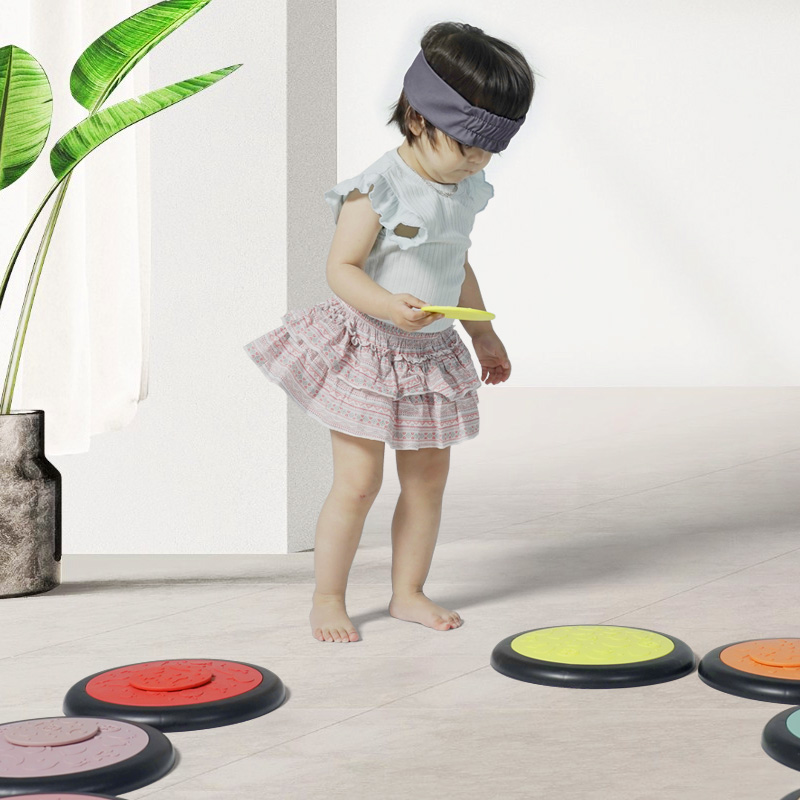
A: First, ensure the stepping stones have non-slip rubber pads underneath and place them on a carpet or non-slip mat to prevent sliding on smooth hardwood or tile floors. Second, clear away any sharp furniture from the surrounding area. Finally, have your child practice barefoot or in non-slip socks to maximize tactile feedback from the soles of their feet.
Q2: What should I do if my child is afraid to step on taller stones?
A: Hesitation is a normal response to spatial height or vestibular sensitivity. Avoid forcing them. Instead, use a gradual approach: start with the lowest stones or place the course next to a wall so the child can touch it for stability. You can also hold their hand to guide them through, gradually reducing support as their confidence grows.
Q3: How do sensory stepping stones differ from regular balance stepping blocks?
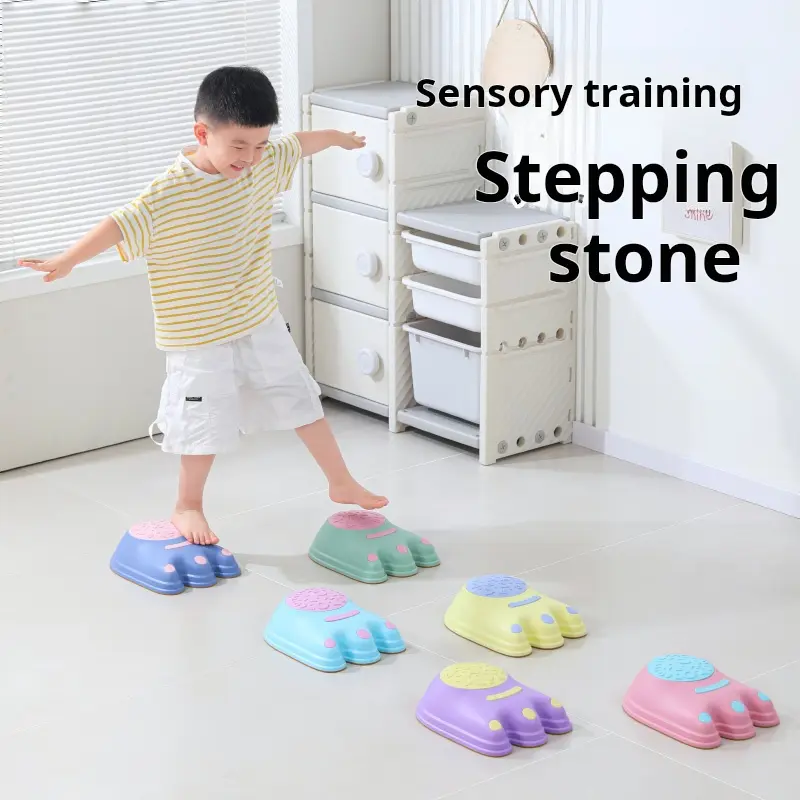
A: Specialized sensory stepping stones are designed with varying slopes, tactile textures (such as bumps or ridges), and multiple height levels. Unlike flat stepping blocks, sensory stones provide richer tactile stimulation to the feet and challenge the ankles at various angles, making them significantly more effective for ankle stability and sensory processing.
4. Conclusion
Stepping stones are far more than just a toy—they are a fantastic tool for nurturing physical and mental coordination during childhood development. When guiding your child, try adding imaginative themes (like "crossing a river" or "stepping over lava") to make the experience joyful while boosting their sensory integration skills!